
Indirect Lighting for a Relaxing Living Room
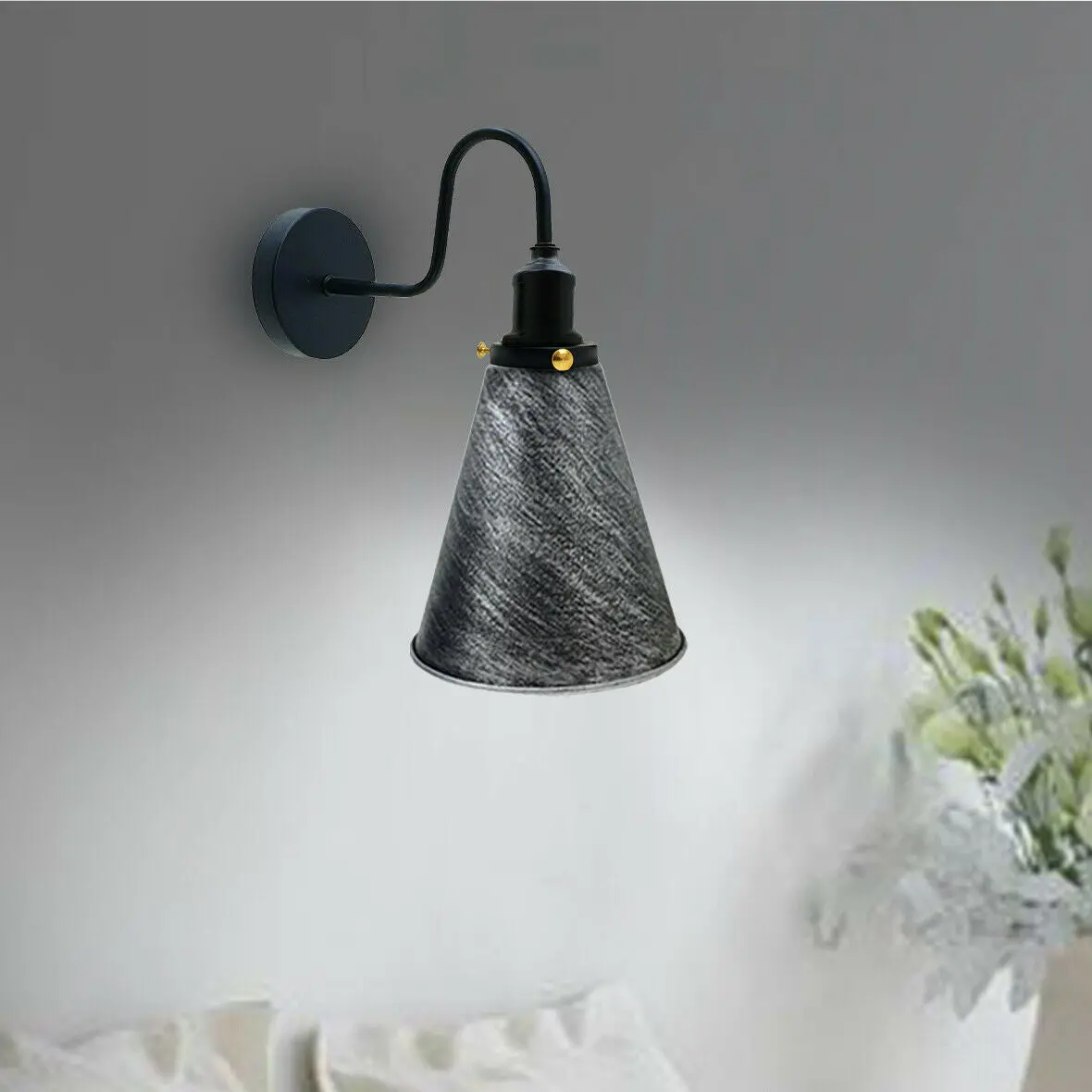 When designing a living room that’s meant to be a sanctuary—a place to unwind after a long day or spend quality time with loved ones—the right lighting plays a key role. One of the best ways to create a serene, inviting atmosphere is by incorporating indirect lighting. This subtle lighting technique not only enhances the ambiance but also works wonders in creating a relaxed, comfortable space. Here’s why indirect lighting should be your go-to choice for a peaceful living room and how to incorporate it effectively.
1. Eliminate Grays and Shadows
One of the major benefits of indirect lighting is its ability to eliminate the harsh shadows and grays that can make a room feel cold and uninviting. Traditional overhead lighting, such as direct ceiling lights, often casts uneven shadows and creates a stark contrast between light and dark areas. In contrast, indirect lighting bounces off walls or ceilings, distributing light more evenly and softly throughout the room. This helps to eliminate those harsh shadows and create a more balanced, harmonious look, which is crucial for fostering a relaxing environment.
2. Diffuse the Light to Soften the Atmosphere
Indirect lighting diffuses the light, creating a softer, gentler effect that enhances the overall mood of the room. When light is bounced off surfaces like walls or ceilings, it spreads out more evenly, which reduces the intensity of direct light sources. This diffusion softens the entire atmosphere, making the space feel more inviting and cozy. It also helps to minimize eye strain, which is especially important if you’re spending long hours reading, watching TV, or simply enjoying a calm evening.
3. Ideal for Relaxing Living Spaces
Living rooms are often the heart of the home, where people gather to relax, entertain, or just enjoy some quiet time. The lighting you choose should reflect this purpose. Indirect lighting creates a calm, soothing environment—perfect for spaces where relaxation is key. By avoiding the harsh glare of direct lighting, indirect light helps set a tranquil mood, allowing you to unwind more fully. Whether you’re curling up with a book or hosting a low-key movie night, the soft, ambient glow from indirect lighting promotes comfort and relaxation.
4. Versatile Lighting Options
Achieving the perfect indirect lighting in your living room can be done through various design elements. Some of the most popular options include:
• Recessed Ceiling Lights: These are embedded into the ceiling, casting light upwards onto the ceiling, which then diffuses down around the room. Recessed lights can be strategically placed to highlight certain areas of the room without overwhelming the space with direct light.
• Floor Lamps: Floor lamps with adjustable heads or those that shine light upwards can be placed in corners or near seating areas to create soft pools of light. These are ideal for adding warmth to the space without drawing attention to the light source itself.
• Wall Sconces: Wall-mounted sconces that direct light upward or sideways are another excellent way to add indirect lighting. These fixtures are perfect for creating a welcoming glow along walls or around artwork, contributing to a more intimate and relaxed vibe.
By strategically placing these fixtures around your living room, you can craft a layered lighting effect that’s both functional and aesthetically pleasing, perfect for relaxation.
Indirect lighting is an essential tool in designing a relaxing living room. Its ability to diffuse light and eliminate shadows softens the atmosphere, creating a space that feels warm, inviting, and perfect for unwinding. Whether through recessed ceiling lights, floor lamps, or wall sconces, the subtle glow of indirect lighting will transform your living room into a peaceful retreat, ideal for moments of relaxation and calm. If you’re aiming to make your living space more soothing and atmospheric, incorporating indirect lighting is a simple but highly effective way to achieve that goal